Where Heritage Breathes
What Janaklali Means
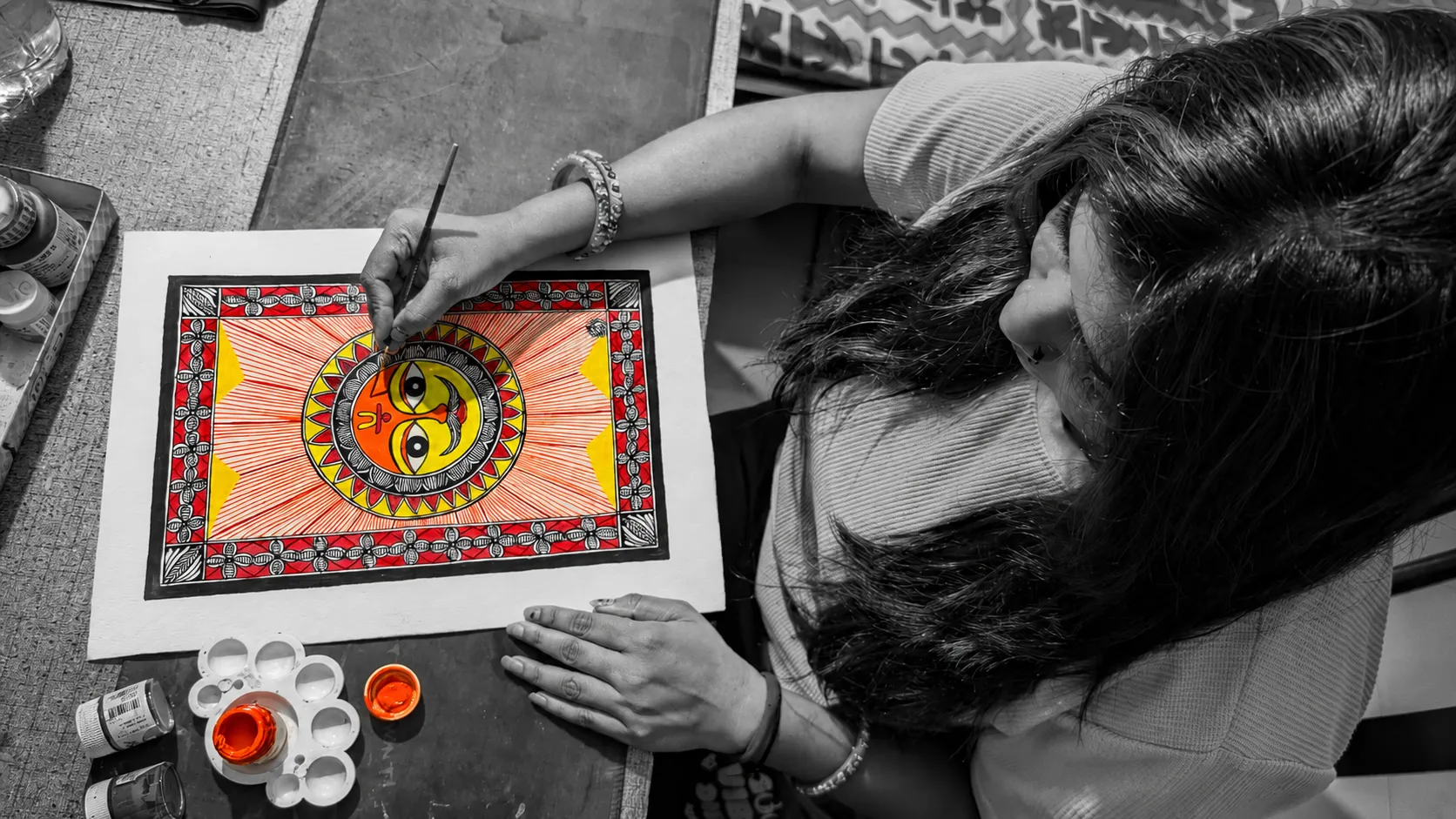
The name Janaklali is rooted in the cultural and spiritual heritage of Mithila. “Janak” refers to King Janak, the legendary ruler of Mithila and father of Goddess Sita, while “Lali” is a Maithili and regional term of endearment meaning beloved girl, darling daughter, or graceful woman. Together, Janaklali can be understood as “the beloved daughter of Janak” or “the graceful spirit of Mithila.”
More than a name, Janaklali reflects the warmth, femininity, and artistic legacy carried through generations of Mithila art. It stands as a tribute to the women artisans of Bihar and the timeless cultural traditions of the region.
Authenticity in Every Stroke
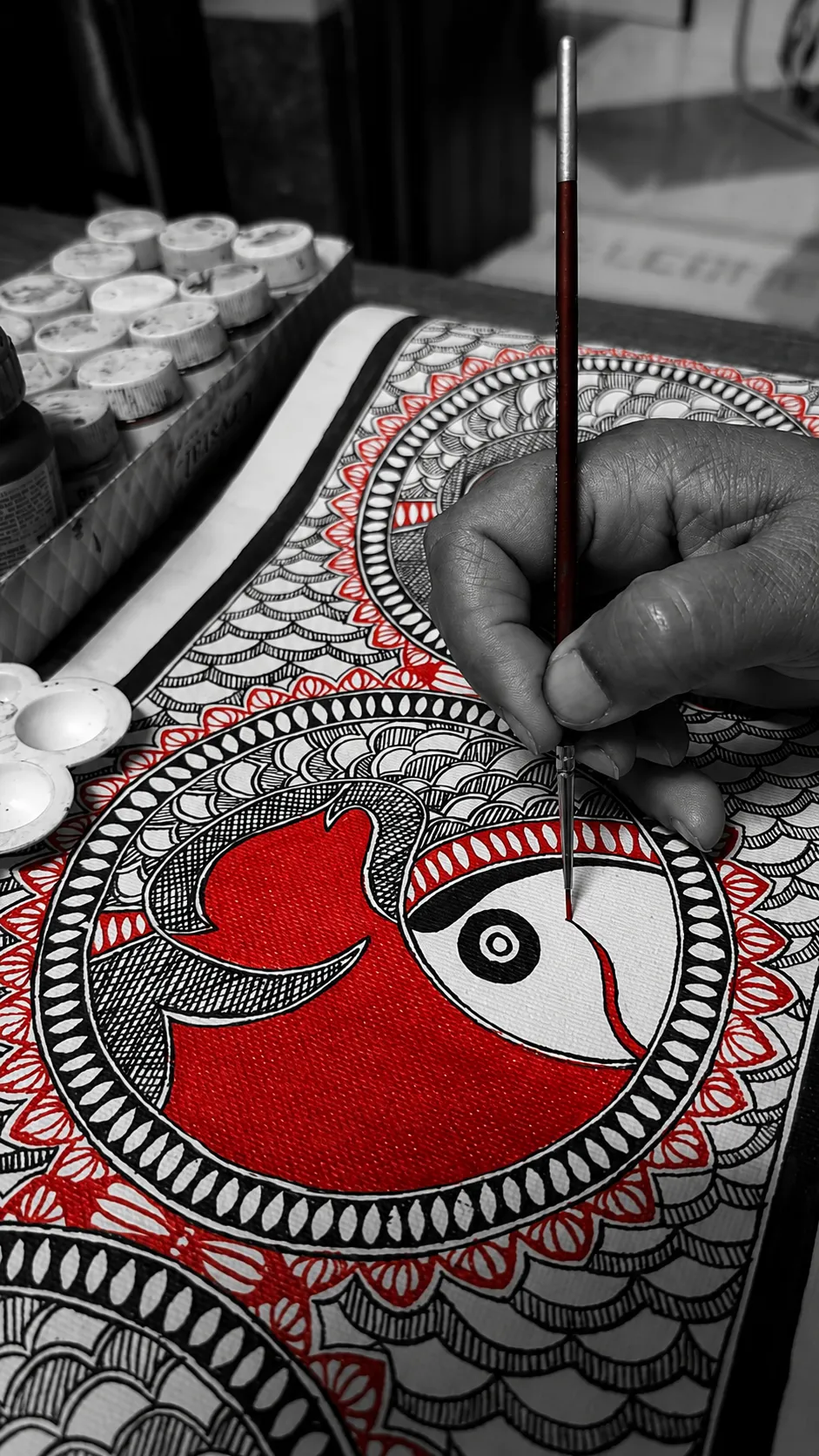
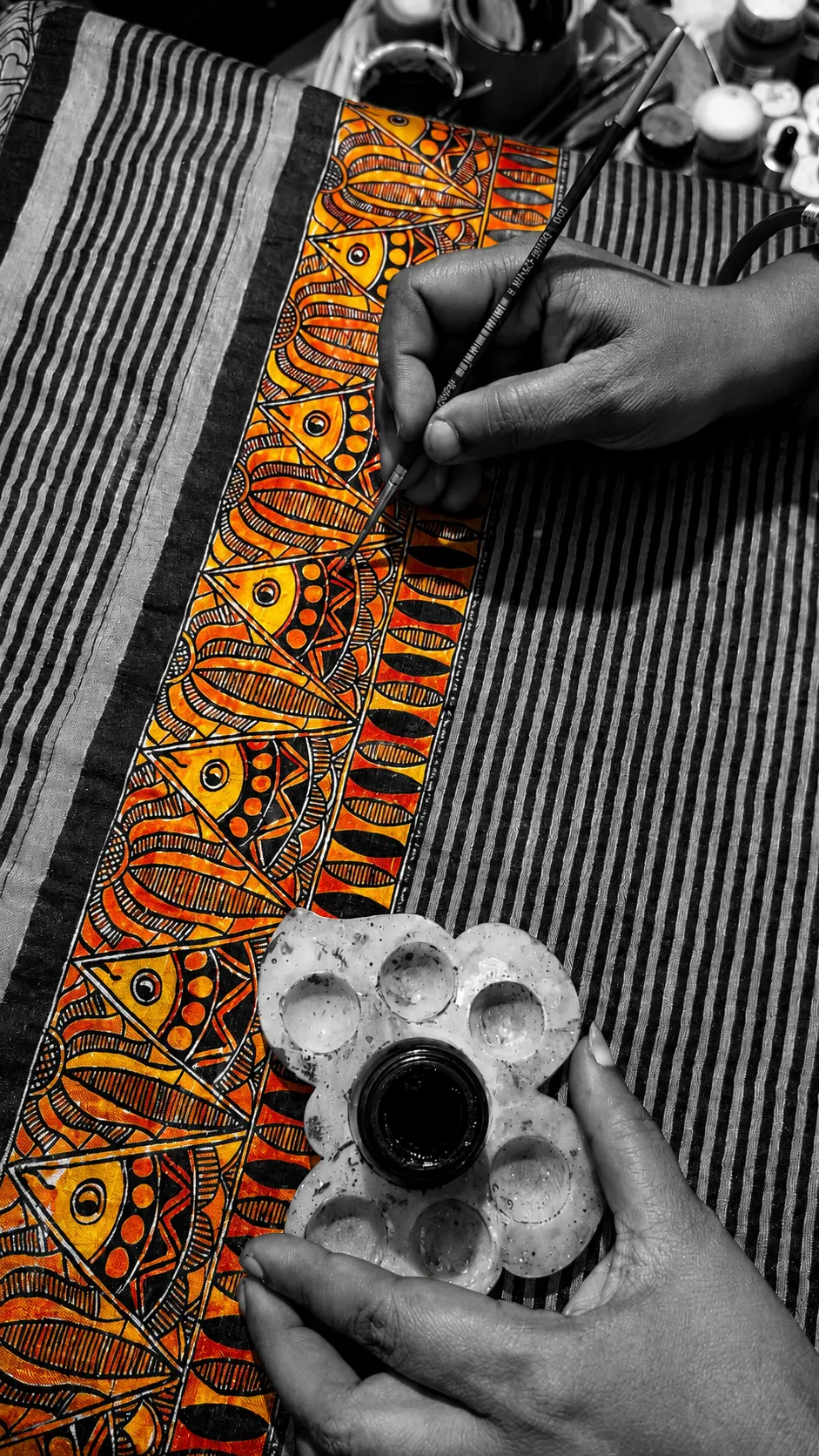
The creation of Mithila art begins long before brush touches paper. Historically, artists prepared colors from materials found close to home: indigo for deep blues, turmeric for yellows, and soot for the bold black outlines that define the art's intricate language. Today, the medium varies by work; Janaklali's current listings use the materials named on each product page.
These older material practices remain part of Mithila painting's story. The works available today are painted in the medium specified for each piece, including acrylic colors on paper, wood, and cloth.
The Women of Mithila
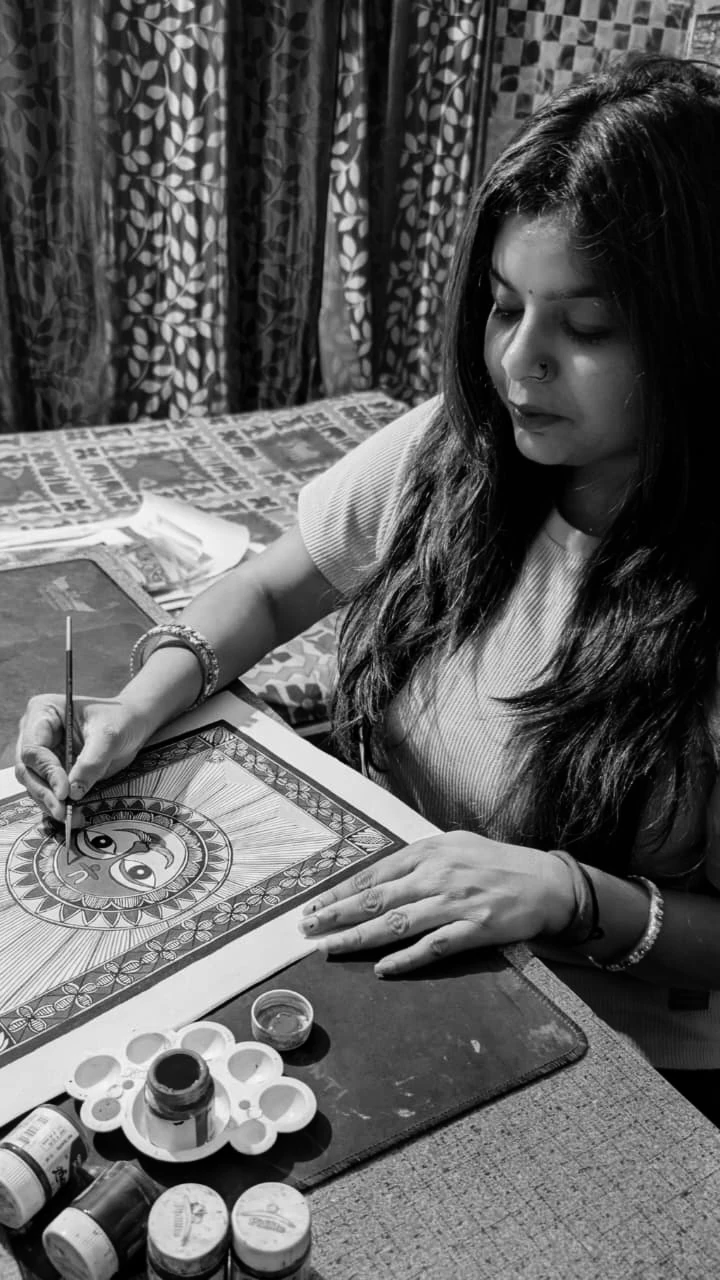
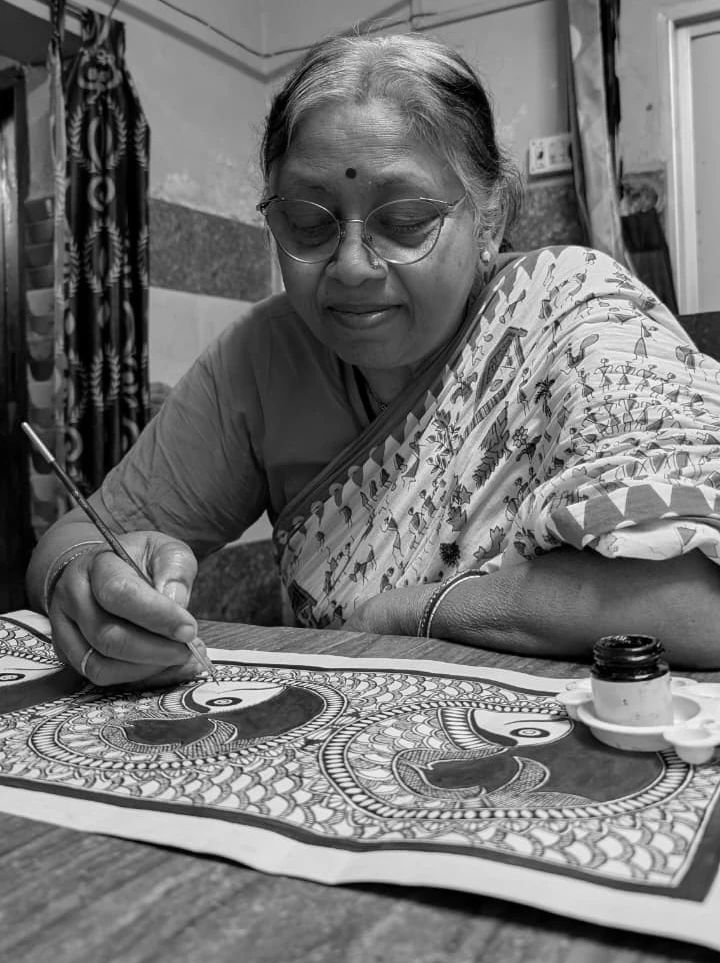
For generations, Mithila painting has been preserved and passed down by women, from mothers to daughters, as a living cultural tradition. Once painted on the mud walls and courtyards of village homes during festivals and ceremonies, the art transformed everyday spaces into expressions of devotion and celebration.
Today, while the medium has evolved to paper and canvas, the spirit of the tradition remains unchanged. Studios and artisan communities continue to serve as spaces of shared knowledge, where ancestral motifs are reimagined through the skilled hands of contemporary artists.